How to Choose the Right Backpacking Stove
For many outdoor enthusiasts, the backpacking stove is more than just a piece of gear; it’s the heart of the camp kitchen, a source of warmth, and a morale booster after a long day on the trail. From a hot cup of coffee to a hearty dehydrated meal, the ability to cook efficiently in the backcountry is paramount. But with a dizzying array of options, how do you choose the right backpacking stove?
At WildGridScout, we believe in practical outdoor skills and minimalist gear advice. Selecting a stove that perfectly matches your needs can significantly enhance your outdoor experience, saving weight, time, and hassle. This guide will break down the most popular types of backpacking stoves, their pros and cons, and the critical factors to consider before making your purchase.
The Essential Role of Your Backpacking Stove
Beyond simply cooking food, a reliable stove offers several benefits:
- Hydration and Nutrition: Essential for rehydrating after exertion and providing warmth and comfort.
- Water Purification: Boiling water is a simple and effective method for making it safe to drink in the wilderness.
- Morale: A hot meal or drink can significantly boost spirits, especially in challenging weather conditions.
- Safety: In cold environments, a warm drink can help stave off hypothermia.
Types of Backpacking Stoves: A Detailed Look
Outdoor enthusiasts typically categorize stoves by their fuel type. Each has a distinct set of advantages and disadvantages.
1. Canister Stoves (Gas Stoves)
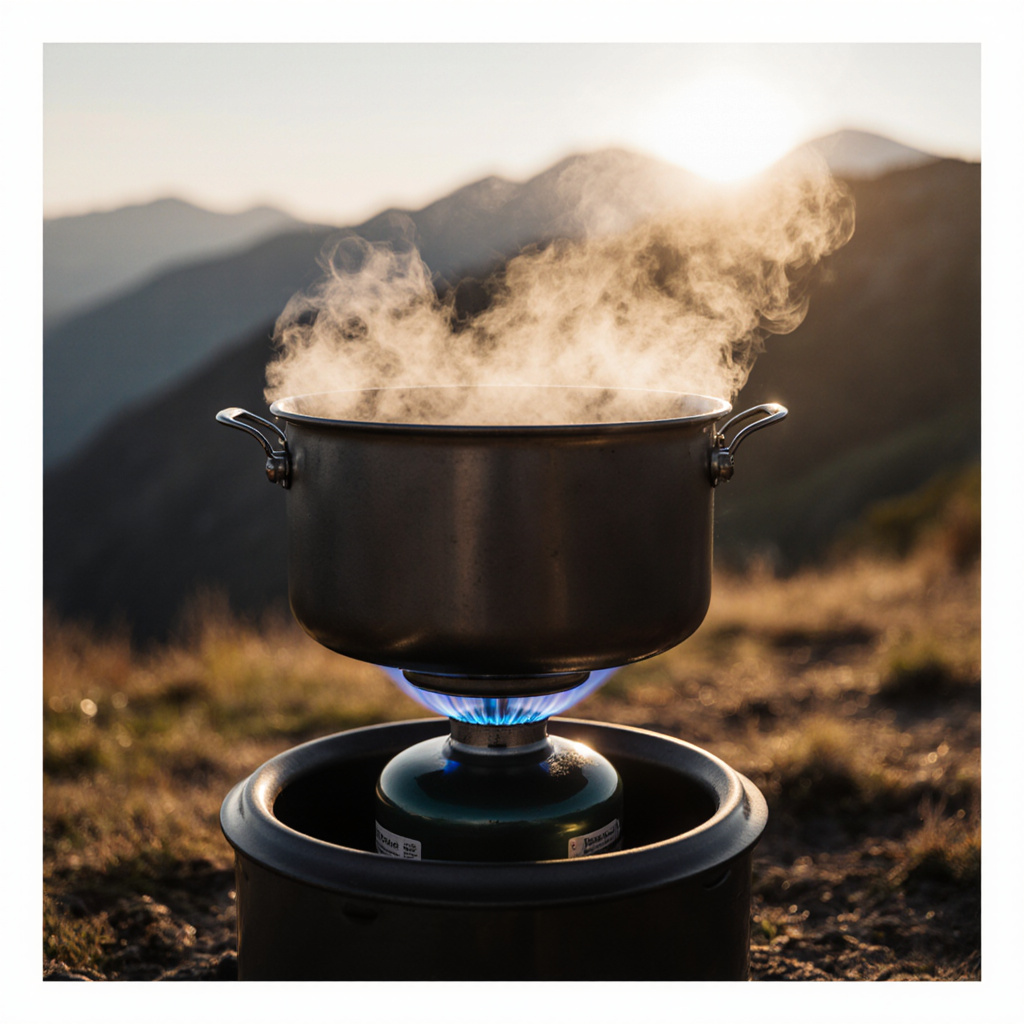
These are perhaps the most popular choice for weekend warriors and casual backpackers due to their simplicity and efficiency. They screw directly onto a threaded fuel canister containing a blend of isobutane and propane.
Pros:
- Lightweight & Compact: Often tiny, making them easy to pack.
- Easy to Use: Simply screw on the canister, open the valve, and light. No priming required.
- Fast Boil Times: Many models can boil water in under three minutes.
- Good Simmer Control: Most offer precise flame adjustment for more nuanced cooking.
- Clean Burning: Minimal soot, keeping your pots cleaner.
Cons:
- Cold Weather Performance: Performance degrades in colder temperatures as canister pressure drops. Inverting canister models help mitigate this but add complexity.
- Fuel Availability & Disposal: Canisters can be difficult to find in remote areas or internationally. Empty canisters also pose a disposal challenge (though many are recyclable).
- Cost: Fuel canisters can be more expensive per ounce than other fuel types over time.
Ideal For: 3-season backpacking, solo or small groups, weekend trips, those prioritizing speed and convenience.
2. Liquid Fuel Stoves (White Gas Stoves)
These robust stoves burn liquid fuels like white gas (naptha) and are often favored for colder conditions, high altitudes, and international travel.
Pros:
- Excellent Cold Weather Performance: Pressurized fuel lines maintain consistent performance even in freezing conditions.
- Globally Available Fuel: White gas is common, and some multi-fuel models can burn unleaded gasoline, kerosene, or diesel in a pinch (though this is not recommended for regular use due to soot and maintenance).
- Refillable Fuel Bottles: Reduces waste and allows you to carry exact amounts of fuel.
- Powerful Burners: Can boil large quantities of water quickly.
Cons:
- Heavier & Bulkier: The stove, pump, and fuel bottle add significant weight and volume.
- More Complex Operation: Requires priming (preheating the generator tube) and more maintenance to keep clean.
- Soots Pots: Especially if not primed correctly.
Ideal For: Winter camping, expeditions, large groups, international travel, extended trips.
3. Alcohol Stoves
The darlings of the ultralight community, alcohol stoves are incredibly simple, lightweight, and often DIY-friendly.
Pros:
- Ultralight: Often weigh less than an ounce for the stove itself.
- Silent Operation: Burn with an almost imperceptible hum.
- Simple Design: No moving parts to break or maintain.
- Inexpensive & Readily Available Fuel: Denatured alcohol is cheap and found in hardware stores.
Cons:
- Slower Boil Times: Significantly slower than gas or liquid fuel stoves.
- Less Efficient: Requires more fuel to boil the same amount of water, especially in windy conditions.
- No Simmer Control: Typically all-or-nothing heat.
- Susceptible to Wind: Requires a good windscreen for optimal performance.
- Visible Flame: Alcohol flames can be hard to see in daylight, posing a safety risk.
Ideal For: Ultralight backpackers, solo trips, those prioritizing minimum weight over speed, experienced users.
4. Wood Gas Stoves (Biomass Stoves)
These stoves burn twigs, leaves, and other small biomass found in the environment, converting them into a clean-burning gas.
Pros:
- No Fuel to Carry: “Free” fuel, eliminating the need to pack heavy canisters or bottles.
- Sustainable: Uses readily available natural resources.
- Effective Heat: Can produce a strong, efficient flame once established.
Cons:
- Finding Dry Fuel: Can be challenging in wet conditions.
- Soots Pots: Expect dirty pots and pans.
- Not Allowed Everywhere: Many areas have fire bans that prohibit open flames, including biomass stoves.
- Requires Constant Feeding: Not a “set it and forget it” stove.
Ideal For: Bushcraft, remote areas with abundant dry fuel, Leave No Trace conscious users where allowed, those seeking self-sufficiency.
5. Solid Fuel Stoves (Esbit Stoves)
Extremely simple and lightweight, these stoves use solid fuel tabs (often Esbit brand) that burn for a set amount of time.
Pros:
- Ultralight & Compact: Both stove and fuel tabs are incredibly light.
- Simple: No moving parts.
Cons:
- Specific Fuel: Requires proprietary fuel tabs.
- Low Heat Output: Slower boil times and limited cooking ability.
- Smelly Residue: Fuel tabs can leave a chemical smell.
- No Simmer Control.
Ideal For: Emergency kits, ultralight minimalists who only need to boil small amounts of water, short trips.
Key Factors to Consider When Choosing Your Stove
To make the best decision, ask yourself these questions:
- Trip Duration and Type: Are you going for a quick overnight, a weekend trip, or a multi-day thru-hike? Longer trips might benefit from more fuel-efficient or easily re-supplied options.
- Group Size: Solo trekkers can opt for minimalist, smaller stoves, while groups will need something more powerful with a larger pot support.
- Weather Conditions & Altitude: Cold and windy conditions demand a stove with strong performance (liquid fuel or inverted canister stoves excel here). High altitudes also impact stove efficiency.
- Boil Time vs. Fuel Efficiency: Do you prioritize getting water boiled quickly, or do you want to conserve fuel over a longer trip?
- Weight & Packability: Every ounce counts for ultralight backpackers. Consider the total system weight (stove + fuel + pot).
- Cost: Factor in both the initial stove purchase and the ongoing cost and availability of fuel.
- Cooking Style: Are you simply boiling water for dehydrated meals, or do you enjoy cooking more elaborate backcountry cuisine? Simmer control is crucial for the latter.
- Environmental Impact (Leave No Trace): Consider fuel types and their disposal. Wood fires and biomass stoves can leave scorch marks and aren’t always permitted.
Maintenance and Care
Regardless of your choice, proper care extends your stove’s life. Clean jets, check O-rings, and store your stove in a dry place. Familiarize yourself with your stove before hitting the trail to avoid frustration.
Conclusion
Choosing the right backpacking stove is a personal decision that balances performance, weight, cost, and convenience. There’s no single “best” stove; only the best stove for you and your specific adventures. By carefully considering your typical trips, the conditions you’ll face, and your cooking habits, you can confidently select a stove that will be a reliable companion on countless outdoor journeys. Happy cooking!
Sources:
- General knowledge from reputable outdoor organizations and gear manufacturers (e.g., REI, Backpacker Magazine, MSR, Jetboil).
- Personal experience and observations from years of backpacking.