Solo Hiking: A Guide to Getting Started Safely
Embracing the Solitude: Why Go Solo?
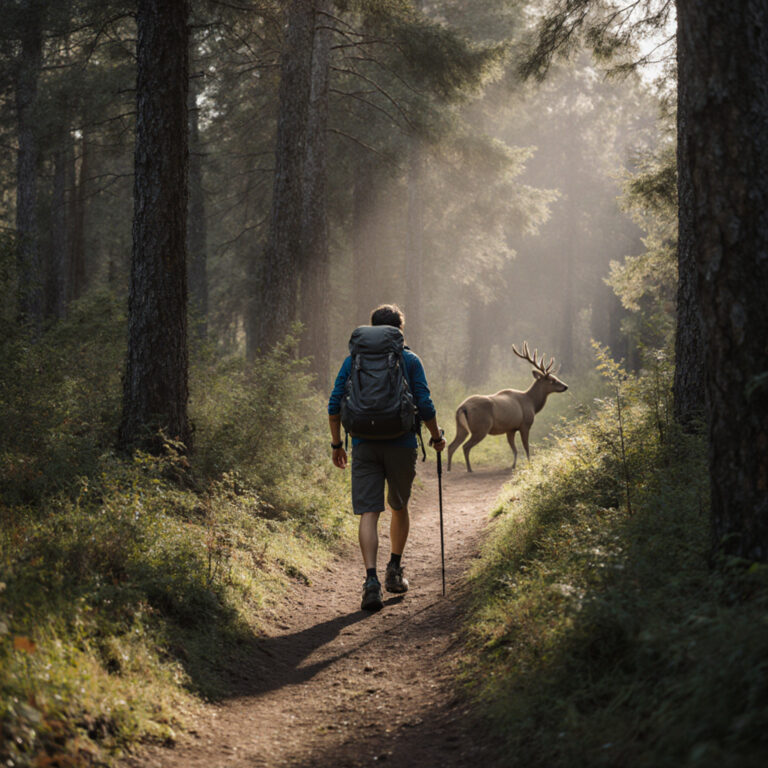
There’s a unique allure to solo hiking. The idea of setting out into the wilderness, with only your thoughts for company and the path ahead dictating your pace, speaks to a primal sense of freedom and self-reliance. It’s an opportunity for deep introspection, a chance to truly connect with nature without the distractions of group dynamics. Every decision, every challenge, every breathtaking vista becomes singularly yours. But with this unparalleled freedom comes a heightened responsibility for your own safety and well-being. This guide from WildGridScout is designed to equip you with the knowledge and confidence to embark on your solo hiking adventures safely and successfully.
Preparation is Paramount: Before You Hit the Trail
The key to a safe and enjoyable solo hike lies in meticulous preparation. Unlike group hikes where you can lean on others, every aspect of planning falls squarely on your shoulders. Don’t view this as a burden, but rather as an empowering exercise in self-sufficiency.
1. Research Your Route Thoroughly
- Choose Wisely: Start with trails that match your current fitness level and experience. For your first solo outing, opt for well-maintained, popular trails with reliable cell service and moderate elevation changes.
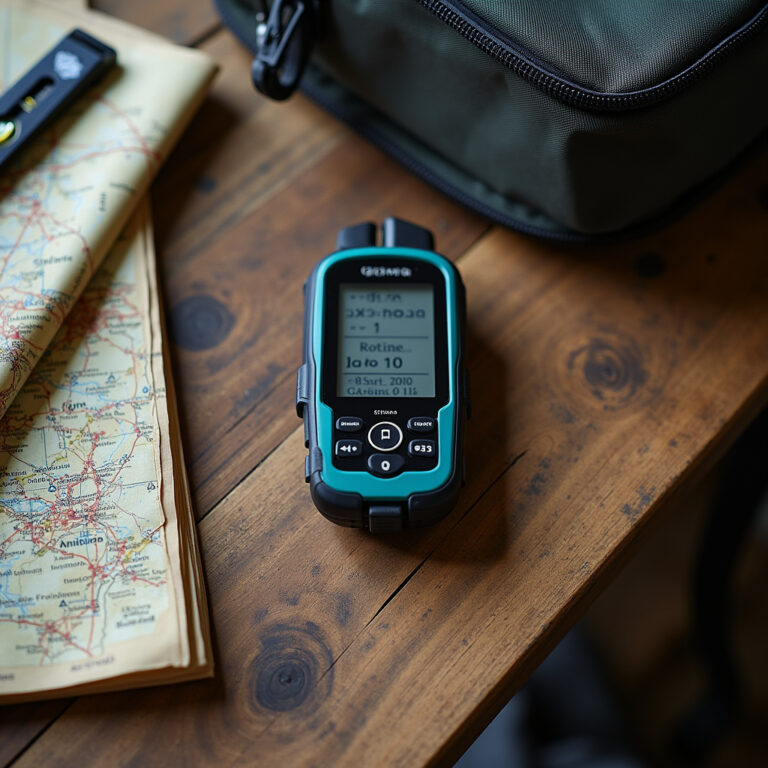
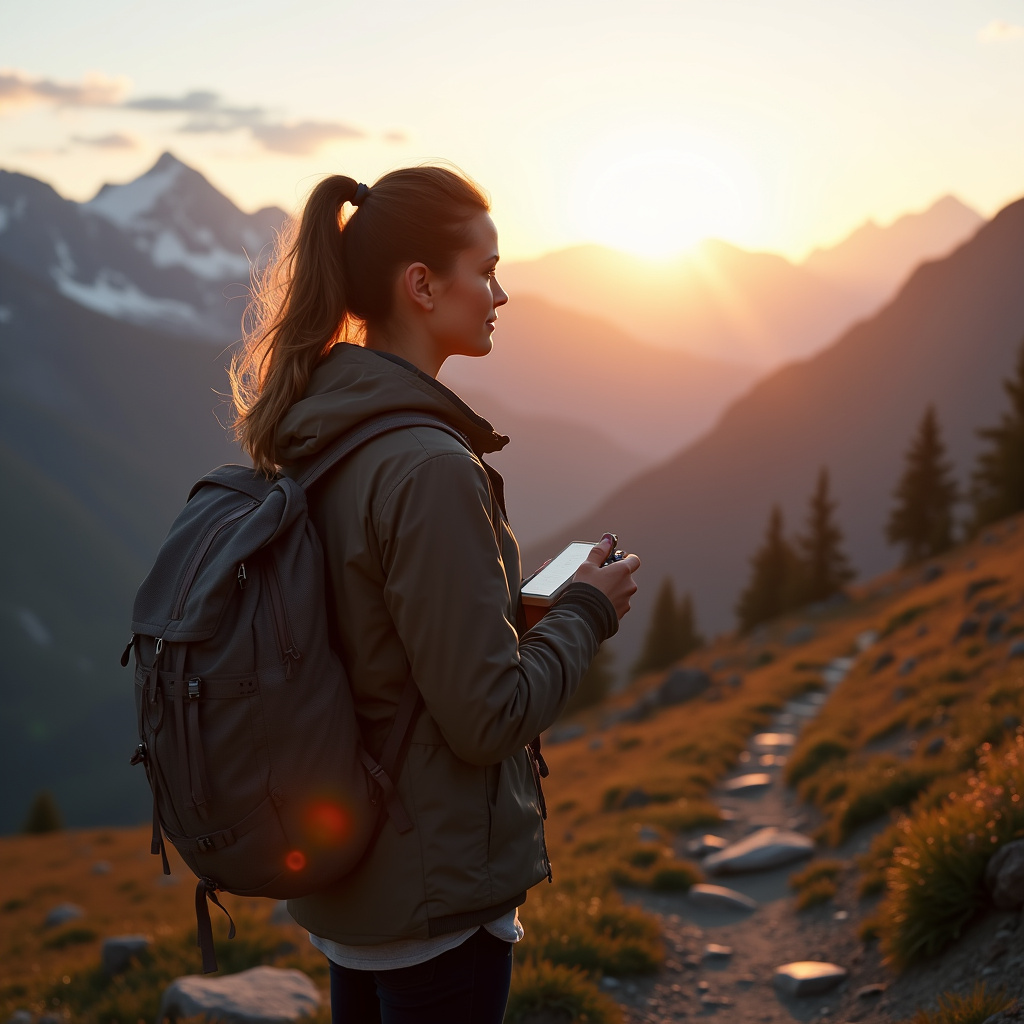
- Maps and Navigation: Never rely solely on your phone. Carry a physical map (and know how to read it) and a compass, even if you’re also using a GPS device or a navigation app. Familiarize yourself with the terrain, potential hazards, water sources, and bail-out points. Websites like AllTrails or local park service sites often provide detailed trail information.
- Weather Watch: Check the forecast diligently, not just for the trailhead, but for the higher elevations or specific sections of your route. Mountain weather can change rapidly and unpredictably. Be prepared to postpone or alter your plans if conditions look unfavorable.
- Tell Someone Your Plan: This is non-negotiable for solo hikers. Inform a trusted friend or family member about your exact itinerary: where you’re going, your planned route, when you expect to start and finish, and when they should call for help if they haven’t heard from you. Stick to this plan!
2. Physical and Mental Readiness
- Build Endurance: Ensure you are physically fit enough for the chosen trail. Start with shorter, less strenuous hikes and gradually increase mileage and elevation.
- Mental Fortitude: Solo hiking can be mentally challenging. Practice problem-solving on smaller trips. Be prepared to face discomfort, loneliness, or unexpected issues with a calm and logical mind. Trust your instincts.
Gear Up (Minimally): The Solo Essentials
While the goal of WildGridScout often leans towards minimalist packing, solo hiking demands a robust set of essentials. The key is lightweight, multi-functional gear.
The Ten Essentials (Adapted for Solo Hiking):
Originally defined by The Mountaineers, these are crucial for self-sufficiency in the wilderness (Source: The Mountaineers, “Mountaineering: The Freedom of the Hills”).
- Navigation: Map, compass, GPS device/smartphone with downloaded maps, power bank.
- Headlamp/Flashlight: With extra batteries. Even if you don’t plan to be out after dark, delays happen.
- Sun Protection: Sunscreen, sunglasses, wide-brimmed hat.
- First-Aid Kit: Comprehensive enough for your specific needs, including blister treatment, pain relievers, antiseptic wipes, bandages, personal medications, and a whistle. Consider taking a basic Wilderness First Aid course.
- Knife/Repair Kit: A multi-tool and duct tape can fix many minor gear issues.
- Fire Starter: Waterproof matches, lighter, fire starter cubes. Crucial for warmth, signaling, and morale.
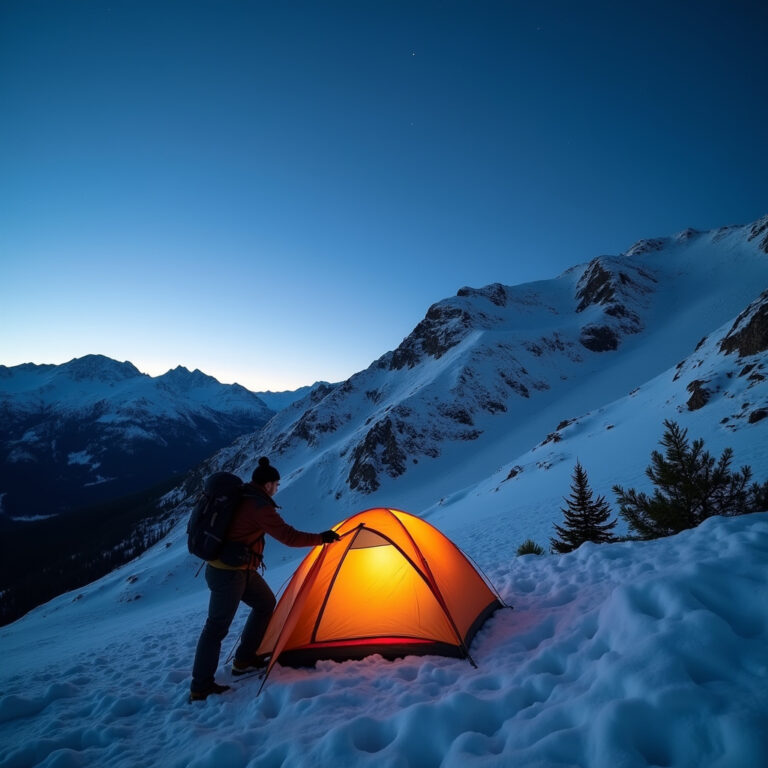
- Emergency Shelter: Lightweight tarp, bivy sack, or even a large garbage bag can offer protection from elements in an unexpected overnight situation.
- Extra Food: More than you think you’ll need, non-perishable and high-energy.
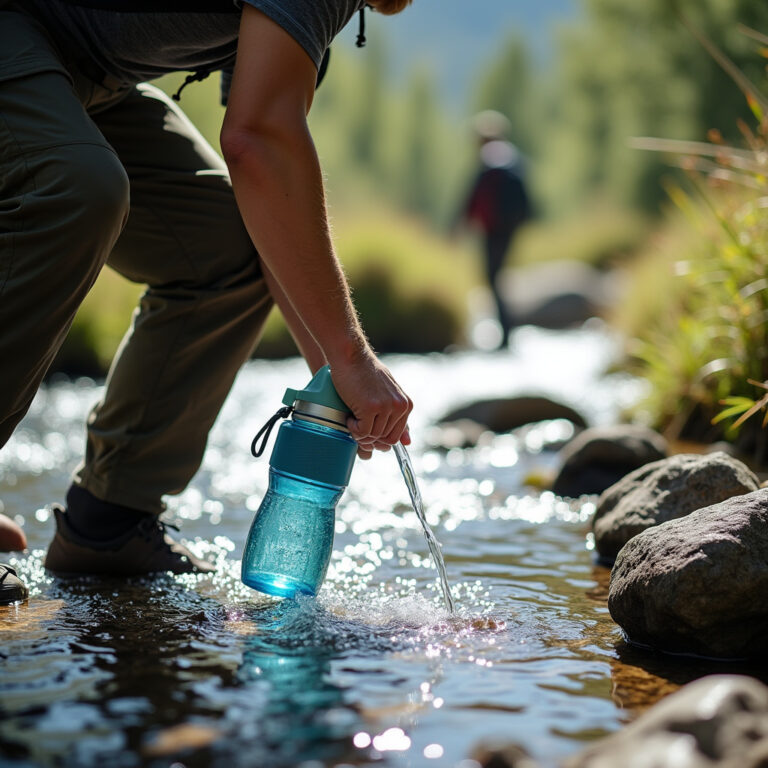
- Extra Water/Water Purification: Carry enough water, and always have a way to purify more (filter, tablets). Dehydration is a serious risk.
- Extra Insulation: Layers appropriate for the worst-case weather scenario, even in summer. A lightweight puffy jacket or rain shell.
Communication Devices:
A personal locator beacon (PLB) or satellite messenger is highly recommended for solo hikers, especially in areas without cell service. These devices allow you to send emergency messages or check-ins, providing a vital lifeline when you’re alone.
On the Trail: Staying Safe and Sound
1. Constant Situational Awareness
- Navigation Checks: Regularly consult your map and surroundings. Don’t wait until you think you’re lost to check your position.
- Weather Monitoring: Watch for changing skies, sudden drops in temperature, or increasing winds. Be prepared to turn back if conditions deteriorate.
- Listen and Observe: Pay attention to your body, your gear, and your environment. Early detection of a problem can prevent a crisis.
2. Wildlife Encounters
Research local wildlife and know how to react. Store food properly (bear canisters/bags if necessary). Make noise while hiking to avoid surprising animals. Carry bear spray if appropriate for the region and know how to use it.
3. Emergency Procedures
Know what to do if you get lost, injured, or caught in severe weather. Practice basic first aid. If lost, stay calm, stay put, and use your whistle to signal (three short blasts, repeat). Don’t wander aimlessly.
Leave No Trace: Your Solo Responsibility
As a solo hiker, you have an even greater responsibility to uphold Leave No Trace principles (Source: Leave No Trace Center for Outdoor Ethics). Your actions directly reflect on how the wilderness is preserved for others.
- Plan Ahead and Prepare: (Covered above)
- Travel and Camp on Durable Surfaces: Stick to trails, avoid trampling vegetation.
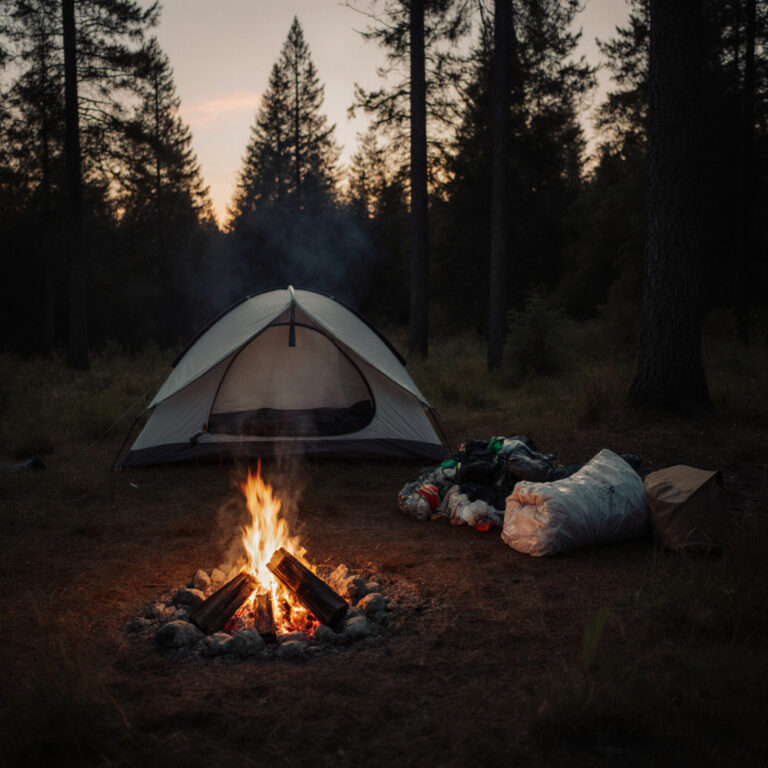
- Dispose of Waste Properly: Pack it in, pack it out – including all trash, food scraps, and toilet paper. Bury human waste properly away from water sources.
- Leave What You Find: Leave natural objects and cultural artifacts undisturbed.
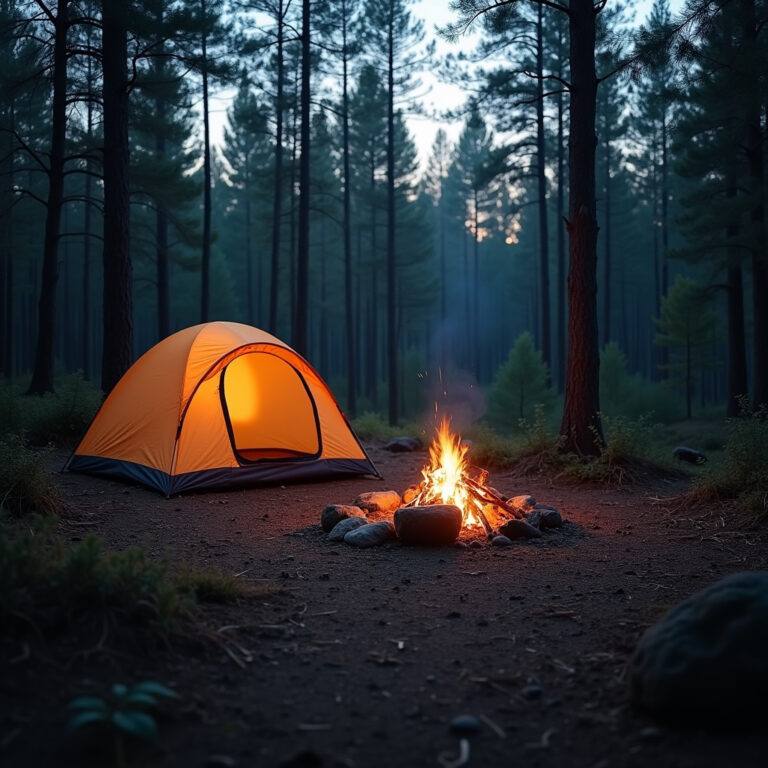
- Minimize Campfire Impacts: Use established fire rings or a camp stove.
- Respect Wildlife: Observe from a distance, never feed animals.
- Be Considerate of Other Visitors: Even when solo, you share the trail.
The Ultimate Reward: Self-Reliance and Connection
Solo hiking is not just about the destination; it’s about the journey of self-discovery and the profound connection you forge with the natural world. With careful planning, appropriate gear, and a responsible mindset, the wilderness can become your ultimate teacher and sanctuary. Start small, build your confidence, and embrace the incredible adventure that awaits.